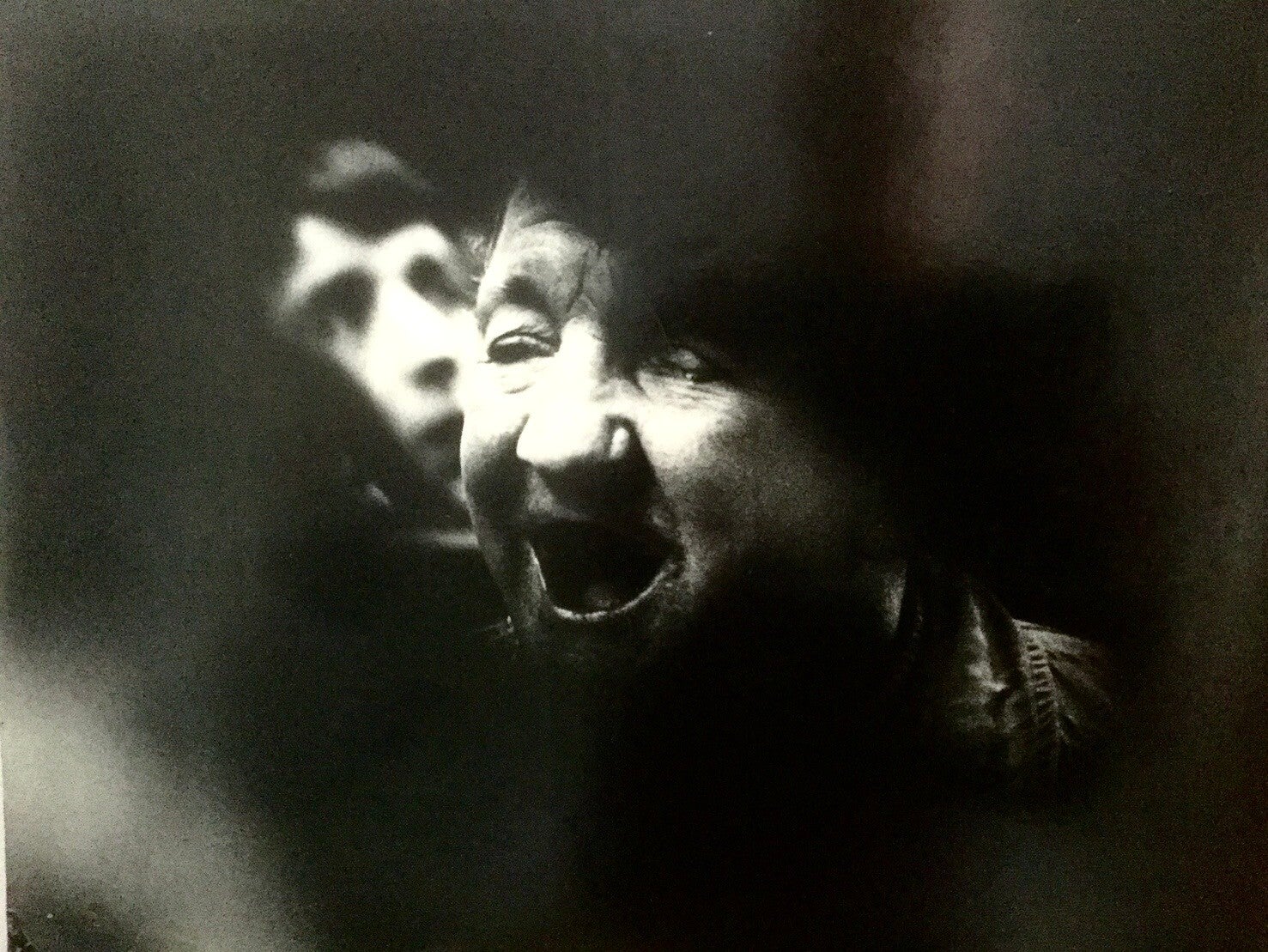
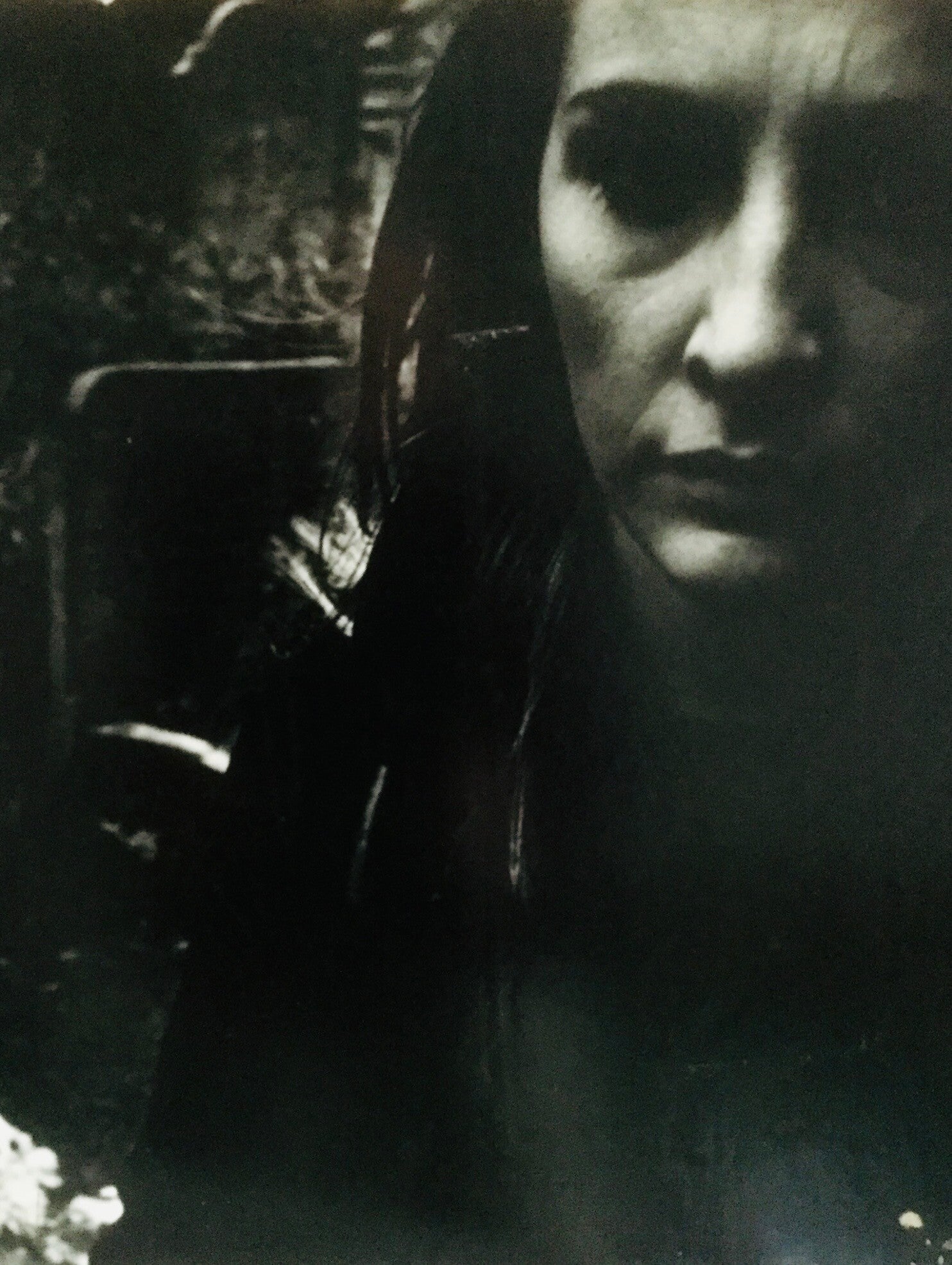
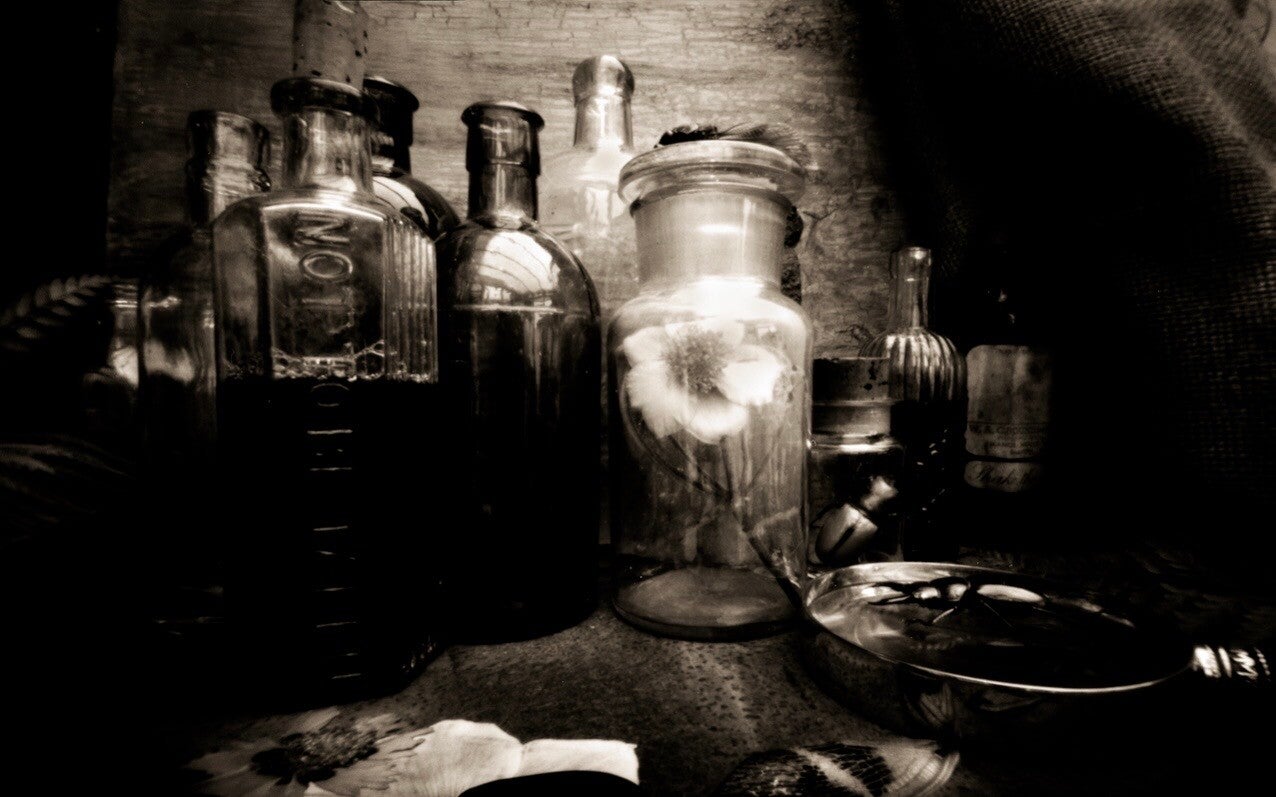
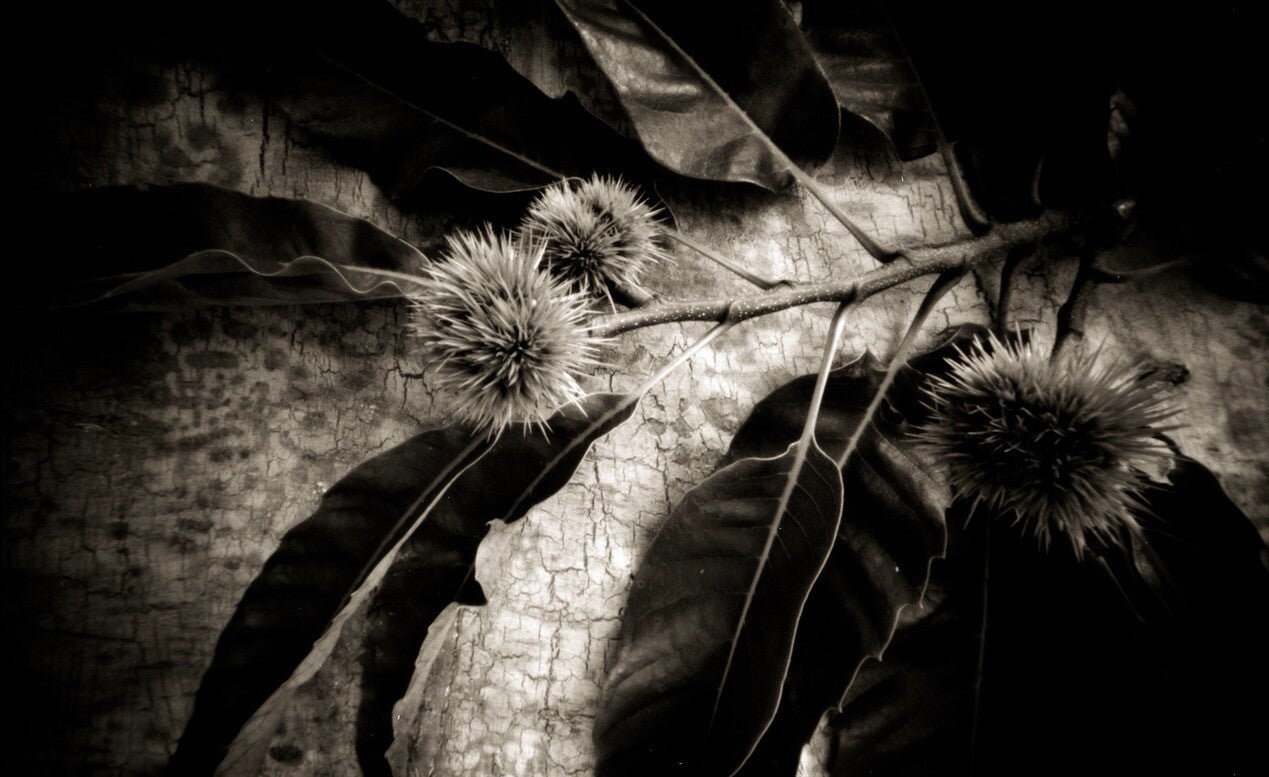
Stand development is a wonderfully simple way of processing black and white film, and Rollei R09 One Shot is particularly well suited to it. Based on the classic Rodinal formula, R09 works effectively at very high dilutions and has excellent keeping properties. This combination was a favourite of mine used back in the 1960's especially when printed on Agfa grade 5 bromide paper, I still have a few prints left from that period.
Rodinal was patented on 27 January 1891, making it the oldest film developer which is still commercially available. Novel at the time of its invention was that it is delivered as a liquid concentrate that had to be diluted and not as a powder. By changing the dilution the development speed can be greatly changed. This invention is the longest sold product for photography and is listed as such in the book of Guinness World Records.During the division of Germany the original manufacturer Agfa was split, becoming the ORWO company in East Germany, where Rodinal was sold under the name ORWO R09.After the insolvency of AgfaPhoto in 2005, production was taken over by the re formed ADOX, which also purchased the trademark rights in the name in Europe (excluding France) and continues to sell the product under this name.
For Kodak Tri-X 400, both 35mm and 120, a useful starting point is R09 diluted 1+100 for 60 minutes at 20°C. Give the tank gentle agitation for the first 30–60 seconds, then simply leave it standing for the remainder of the hour. Some photographers prefer one very gentle inversion at the halfway point (my preference) technically making this semi stand development which can reduce the risk of uneven development. At 1+100, a 500ml working solution requires approximately 5ml R09 plus 495ml water. The attraction of stand development is that it behaves differently from conventional development. With normal agitation, fresh developer is continually brought into contact with the film and development proceeds relatively evenly throughout the negative. During stand development, developer around the heavily exposed areas becomes exhausted more quickly while continuing to work in the less exposed shadow areas.The result is a useful compensating effect. Highlights are restrained while shadow detail continues to develop, making the technique particularly attractive for Tri-X exposed in scenes containing a wide brightness range. Fix in the normal way.
There are practical advantages too. Precise development times become less critical, agitation is minimal, and the same basic approach can work with both 35mm and 120 Tri-X. R09 also tends to emphasise Tri-X’s characteristic grain and produces good edge sharpness, giving negatives a crisp, traditional appearance. There are disadvantages. Stand development can occasionally produce uneven density, streaking or bromide drag, particularly with 35mm film. Semi stand development giving the tank a few gentle inversions halfway through is often a safer compromise.
Compared with conventional development, R09 stand development isn’t necessarily better; it simply produces a different kind of negative. Normal development gives greater predictability and more direct control over contrast. Stand development is particularly useful when the lighting is difficult, exposure varies across a roll, or when you want to exploit the distinctive grain, sharpness and tonal character of Tri-X and R09.
For photographers who enjoy the slightly unpredictable nature of traditional film photography, there is also something rather appealing about agitating the tank, putting it down for an hour and allowing the chemistry to get on with the job.
Photo Chemical Safety
Wear gloves and eye protection.
Use only in a well-ventilated area.
Avoid skin and eye contact.
Do not swallow.
Keep containers closed and clearly labeled.
Keep out of reach of children.
Dispose of properly.