In my ongoing exploration of chance aesthetics in creative practice I’ve been interested in how disruption and randomness can open up new directions, as it applies in this case to abstract painting. In my earlier article, Chance Aestheticsl in Art, (which I recommend reading before continuing with this one) I described chance as a way of interrupting intention, a method of loosening control so that something unexpected could emerge. I’m not suggesting this process should be used continuously, just when there is a block in your work or you need to explore a new direction, form of composition, palette etc. The following is certainly not a definitive guide and I also need to work on it more to fully understand the implications for my work.
Recently I’ve begun to consider how AI tools like ChatGPT and MidJourney might sit within that framework, this is a relatively new area for me and at this moment Im not quite sure what Im dealing with. For me the question isn’t whether AI can produce art, but whether it can function as a productive interference tool within a painting practice that has been exposed to these chance techniques.
All of this aligns historically with practices from Dada to Surrealism, where chance was used to bypass conscious control and access something less predictable. I will need to revisit these thoughts and modify them accordingly as my understanding of this process evolves and I’ll update as appropriate.
AI as a Form of Guided Chance
As I have mentioned previously chance in painting can often come through physical means scraping, layering, eroding surfaces, or responding to material resistance. These are tactile interruptions moments where control can slip.AI could introduce a different kind of disruption. It operates through language and pattern, producing responses that are neither fully random nor fully predictable. This creates a form of guided chance outputs shaped by structure, but still capable of surprise.
- misread descriptions
- strange associations
- unexpected instructions
These become another kind of “accident” not physical, but conceptual.
Using ChatGPT as a Disruptive Tool
In this case ChatGPT is most useful when it’s not treated as a source of answers, but as a way of destabilising intention.One approach is to deliberately fragment ideas. Asking for incorrect interpretations, contradictions, or partial descriptions can produce useful frictions. A prompt like:
“Describe this painting as if you’ve misunderstood it.”
can generate alternative readings that shift how you see the work, and can be quite amusing. Another approach is to introduce constraints. I might ask for arbitrary rules, limitations that remove choice rather than expand it. Language itself also becomes material. Titles, fragments of text, or invented meanings for symbols can precede the painting, feeding into the process.
Using MidJourney Without Making Images the Goal
MidJourney becomes more interesting when the goal is not to produce finished images.By running the same prompt repeatedly, I can observe variation. Each output becomes a deviation a shift in composition, colour, or structure. The usefulness lies in the differences and most importantly not the image itself.Rather than adopting these AI generated images, I treat them as raw material and a vehicle for choices in:
- extracting colour relationships
- distorting compositions
- translating digital artefacts into physical marks
Even deliberately vague or contradictory prompts can be useful. The aim is not clarity, but productive confusion something to respond to rather than replicate, it acts as a sounding board and can provide inspiration if your a little blocked.
Try it you cant break it.
AI and Creative Block
Creative block often comes from over control or repetition when the work begins to circle familiar territory. AI can interrupt that loop. It externalises decision making, introduces unfamiliar logic, and creates movement when things feel static.
The question could be:
What disruption do I need?
It keeps the focus on process rather than any obvious outcome.
Maintaining Authorship
There is always a risk that tools like these can dominate if used passively. For me, the key is to treat AI as a flawed collaborator a disrupter a stroppy member of a brainstorming team rather than a generator of finished work which is definitely what we dont want.
Its role is to:
- misinterpret
- suggest
- disrupt
My role remains:
- selecting
- rejecting
- translating
- or even disregarding everything
The physical painting process still emerges through material engagement through surface, time, and revision.
Extending Chance Beyond the Surface
Traditionally, chance operates within the painting itself. With AI, it can enter at multiple stages:
- before the work begins (through prompts and constraints)
- during the process (through instructions or interruptions)
- after the work (through reinterpretation or retitling)
This creates a loop, where chance is not a single moment but an ongoing condition.
Closing Thoughts
AI doesn’t replace the material unpredictability of paint or the creative endeavours of the artist. It adds another layer one rooted in language, systems, and miscommunication.Where chance once came primarily from gesture and material, it can now also emerge from interaction with a system that doesn’t fully align with your intention.The role of the artist shifts slightly not away from control, but toward navigating different kinds of disruption. In that sense, AI doesn’t change the foundations of chance based practices. It extends them.
Exercise: Disrupt the Painting
1. Start
Paint/Draw freely for 20–30 minutes.
Don’t plan. Stop before it feels finished.
2. Get a Disruption
Ask ChatGPT:
“Give me 5 strange instructions for an abstract painting.”
- “Make a quiet area louder without adding anything.”
Change nothing new only adjust what’s already there until it feels visually noisy. - “Draw a boundary that refuses to separate.”
Create a line or edge that suggests division, but let everything bleed across it anyway. - “Use one gesture to contradict the whole painting.”
Add a single mark that feels completely wrong then let it stay in charge. - “Flatten something by making it more textured.”
Build up surface in one area until it somehow reads as less dimensional. - “Hide the most important part by making it obvious.”
Emphasise a focal point so much that it becomes confusing or disappears.
3. Choose Randomly
Don’t think pick one by chance (dice, time, eyes closed).
4. Do It (Literally)
Follow the instruction exactly.
Don’t fix it, even if it looks wrong.
5. Repeat (Optional)
Get a new instruction and repeat once or twice.
6. Stop Randomly
End on a timer or random moment not when it feels done.
Optional Twist
Ask:
“Describe this painting incorrectly.”
Then paint what the description suggests. often highly amusing.
Key Rules
Don’t negotiate with the instruction on these excercises 🤣 Use these test drawings as meditations for other work.
If it feels wrong, you’re probably in the right place 🤣🤣🤣
Some links i'll add more as I come across them:
Chance and Collage: Embracing Randomness in Cut and Paste Practice.
Localising AI’s Visual Culture with Brussels Heritage
https://blog.betterimagesofai.org/category/general/?utm_source=chatgpt.com
Towards a Fair, Rigorous and Transparent Fine Art Curriculum and Assessment Framework
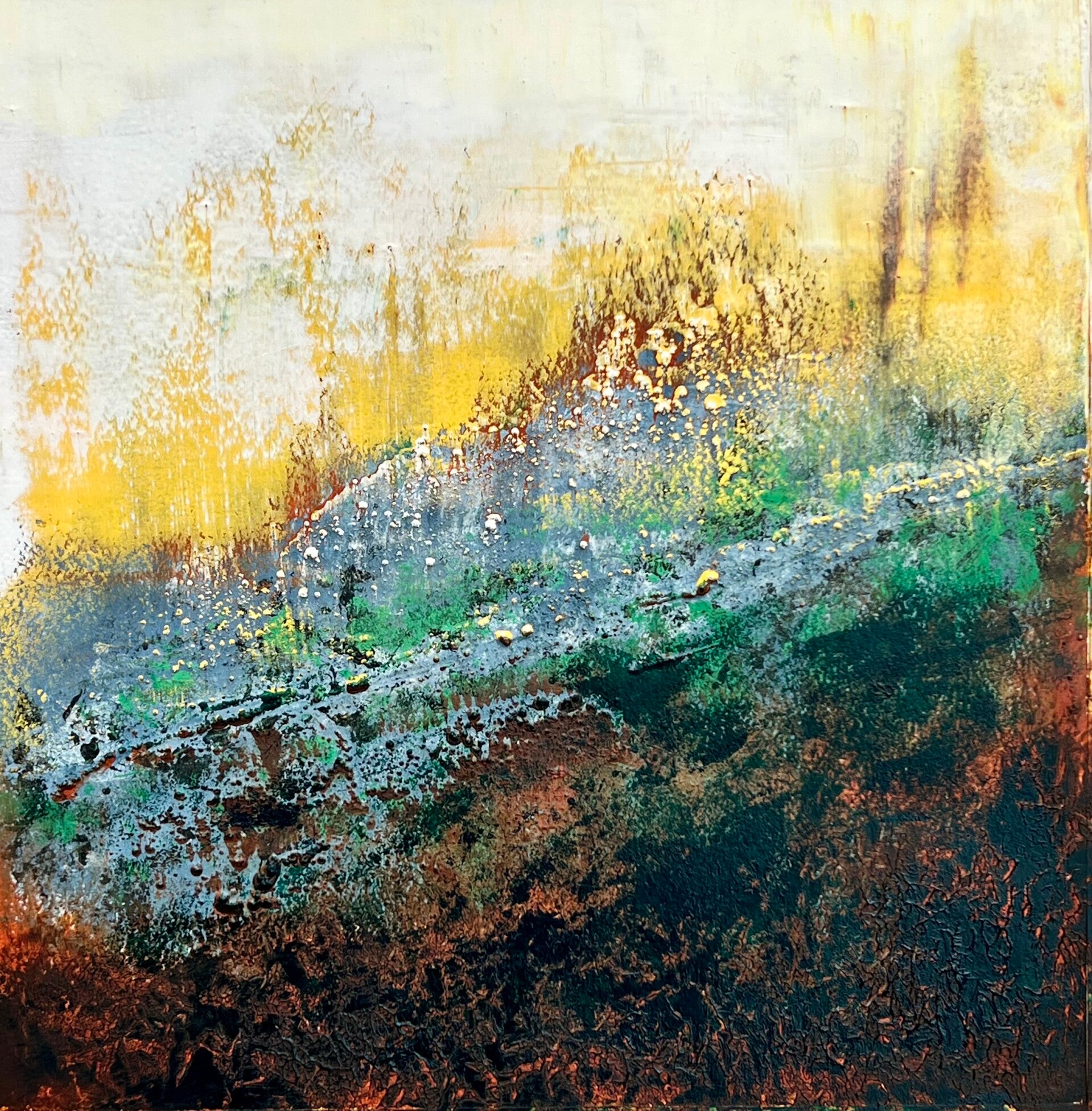
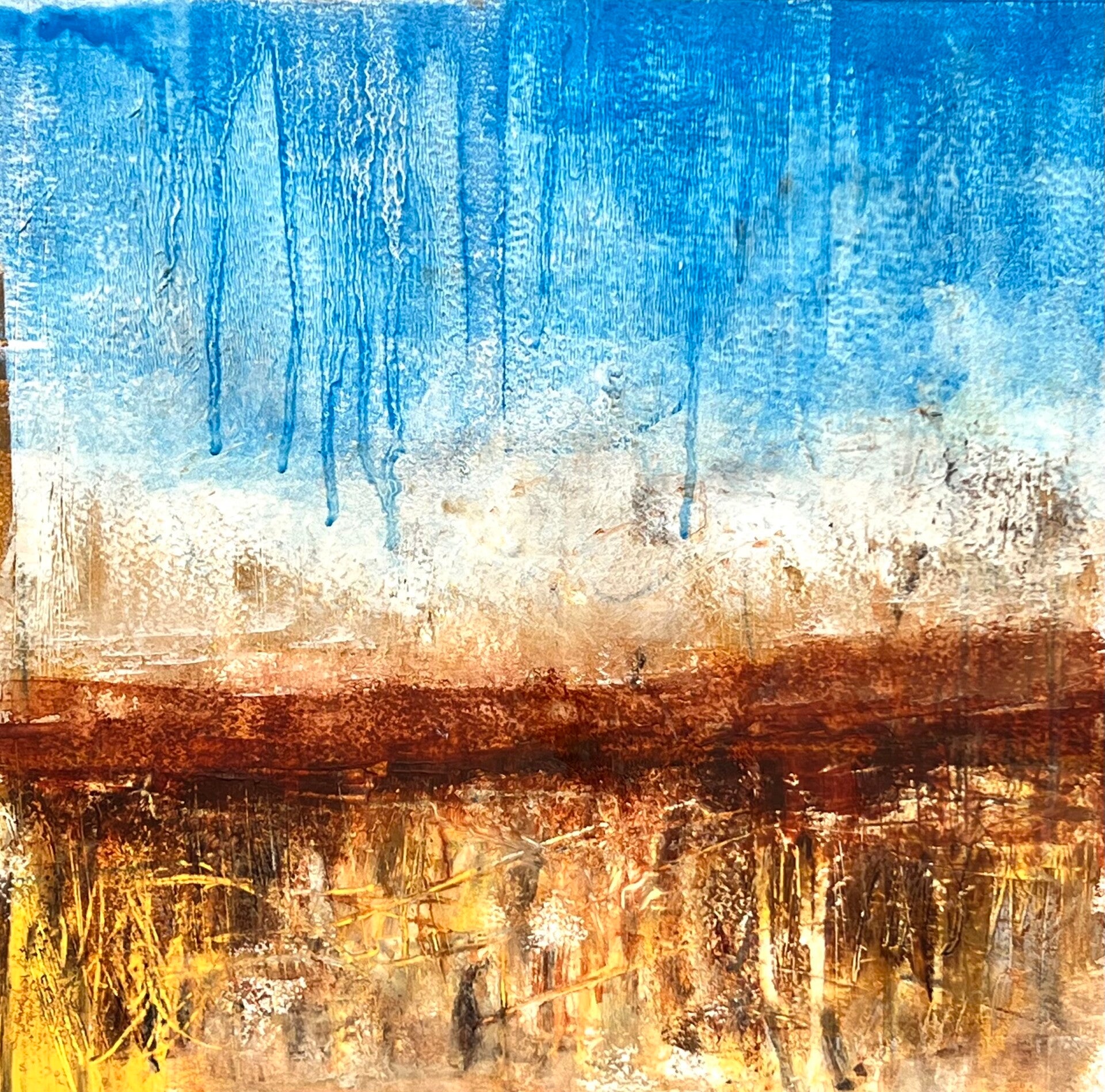
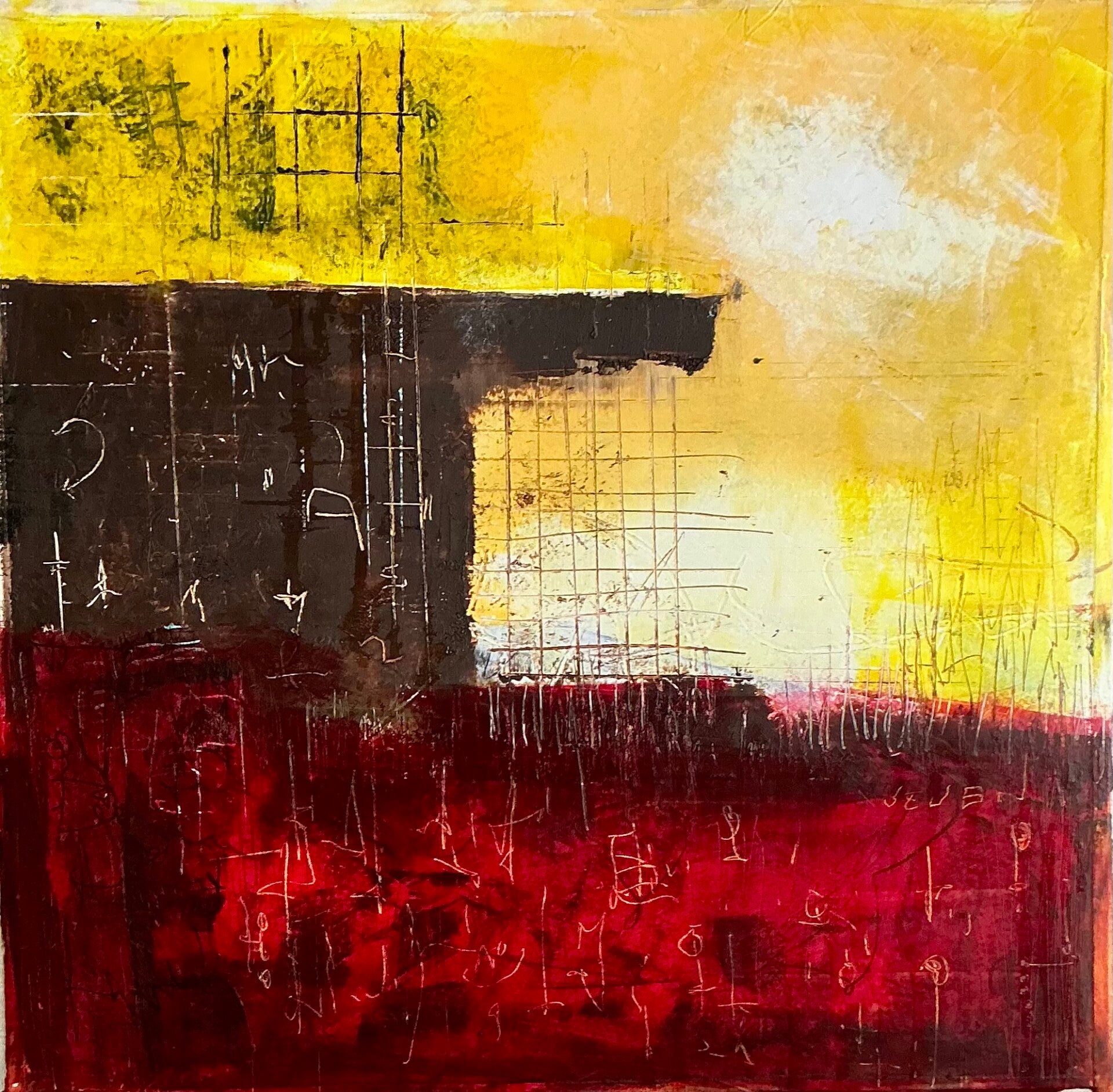
A few of my paintings where I have tried out some of the excercises mentioned above.
Add comment
Comments
I imagine embracing the 'new kid on the block' has given you great food for thought,many are sceptical, but with your experience, intrigue must be extremely high Graeme